

types of tinted window glass
Il Livello Spiritoso Un Strumento Imperdibile per Ogni Fabbro Il livello spiritoso, noto anche come livello a bolla, uno strumento essenziale per chi lavora nel settore edile e artigianale. Questo congegno semplice ma efficace utilizzato per determinare se una superficie perfettamente orizzontale o verticale, garantendo precisione e accuratezza nel lavoro. La sua importanza si estende ben oltre il semplice utilizzo quotidiano; un simbolo della cura e della professionalit che ogni artigiano deve possedere. Il Livello Spiritoso Un Strumento Imperdibile per Ogni Fabbro Il funzionamento di un livello spiritoso piuttosto semplice al suo interno presente una bolla daria racchiusa in un liquido. Quando il livello posizionato su una superficie, la bolla si sposta nella direzione opposta rispetto alla gravit. Se la bolla centrata tra le linee marcate, significa che la superficie perfettamente livellata. Questi indicatori visivi hanno reso il lavoro di misurazione accessibile anche ai meno esperti, permettendo a ognuno di ottenere risultati professionali. spirit level set Nell'edilizia, la precisione cruciale. Utilizzare un livello spiritoso garantisce che pavimenti, muri e strutture siano costruiti correttamente, prevenendo problemi futuri come crepe e disallineamenti. Anche i falegnami e i designer d'interni si affidano a questo strumento per creare ambienti esteticamente gradevoli e funzionali. Un errore di pochi millimetri pu trasformarsi in un problema significativo, rendendo il livello spiritoso uno strumento indispensabile. Oltre alla sua funzionalit, il livello spiritoso ha anche un valore simbolico. Rappresenta limpegno per l'eccellenza e la ricerca della perfezione in ogni progetto. In un mondo dove la velocit spesso prevale sulla qualit, il livello spiritoso ci ricorda che fondamentale prendersi il tempo necessario per garantire che tutto sia in ordine. In conclusione, il livello spiritoso molto pi di un semplice attrezzo. una manifestazione della professionalit e della dedizione che caratterizzano gli artigiani di oggi. Che si tratti di un grande progetto di costruzione o di un piccolo lavoro di fai-da-te, non dimenticare mai di far uso di questo strumento fondamentale il tuo lavoro sar apprezzato non solo per l'estetica ma soprattutto per la sua solidit e durata nel tempo.
about
types of tinted window glass
Understanding Level Supplier Relationships in Supply Chain Management In today's dynamic business environment, the concept of level suppliers has gained significant traction within supply chain management. Level suppliers refer to the different tiers of suppliers that contribute to the production and delivery of a product or service. Understanding the structure and dynamics of these relationships is crucial for companies seeking to optimize their supply chains and improve overall operational efficiency. The Importance of Level Suppliers At the core of supply chain dynamics lies a network of suppliers that can be categorized into various levels. Level 1 suppliers are typically direct suppliers, providing raw materials or components directly to manufacturers. Level 2 suppliers, on the other hand, supply products or services to Level 1 suppliers. This hierarchy continues with Level 3 suppliers and beyond, forming a multi-tier supply chain. The significance of understanding these levels cannot be overstated. Each tier plays a vital role in delivering the final product to consumers. By analyzing the entire supplier hierarchy, organizations can identify potential risks, manage costs, and maintain quality control throughout the supply chain. This holistic view allows businesses to anticipate disruptions and implement strategic measures to mitigate them, ensuring greater resilience in the face of uncertainty. Building Strong Relationships Establishing solid relationships with level suppliers is an essential strategy for sustainable growth. Communication, collaboration, and trust are paramount in creating a robust supplier network . Companies must engage with their suppliers regularly to understand their capabilities, challenges, and contributions to the overall supply chain. Moreover, collaboration with Level 2 and Level 3 suppliers can foster innovation and efficiency. For instance, manufacturers can work closely with their suppliers to co-develop new technologies or materials that can enhance product quality or reduce costs. By involving suppliers in the product development process, businesses can leverage the expertise of their partners while building a sense of loyalty and commitment. level supplier Risk Management and Supply Chain Resilience The interconnectedness of level suppliers introduces multiple layers of risk within the supply chain. Natural disasters, geopolitical tensions, economic fluctuations, and other unforeseen events can disrupt operations at various levels. As such, companies must adopt a proactive approach to risk management. Diversifying the supplier base is one effective strategy to mitigate risks. By engaging multiple suppliers at different levels, businesses can ensure a steady supply of materials and components, even if one supplier faces challenges. Additionally, implementing technology solutions like supply chain visibility tools can help organizations monitor and assess the health of their supply chain, enabling them to react swiftly to potential disruptions. Cost Efficiency and Sustainability Level supplier management also presents opportunities for cost efficiency. By analyzing the performance and capabilities of suppliers across different levels, businesses can negotiate better terms, reduce lead times, and optimize inventory management. This approach not only lowers costs but also enhances the overall agility of the supply chain. Moreover, sustainability is becoming an increasingly important consideration in supplier relationships. Companies are now looking to partner with suppliers who adhere to sustainable practices, such as responsible sourcing and eco-friendly manufacturing processes. Incorporating sustainability into supplier selection criteria not only benefits the environment but also improves brand reputation and appeal to increasingly conscious consumers. Conclusion In conclusion, the concept of level suppliers is integral to effective supply chain management. By understanding the layers of supplier relationships, building strong partnerships, managing risks, and pursuing cost efficiencies and sustainability, organizations can enhance their supply chain performance. Companies that prioritize these aspects will be better positioned to navigate the complexities of modern supply chains, ensuring long-term success in an ever-evolving marketplace. Embracing level supplier strategies is not just a tactical choice; it is a fundamental element of a resilient and forward-thinking business approach.
-

High quality industrial productsagement

High quality industrial products
View Details -

Meet the diverse needs of customers

Meet the diverse needs of customers
View Details -

Strict quality control

Strict quality control
View Details -

Top raw materials

Top raw materials
View Details -

Trusted supplier

Trusted supplier
View Details
Our application


news and information
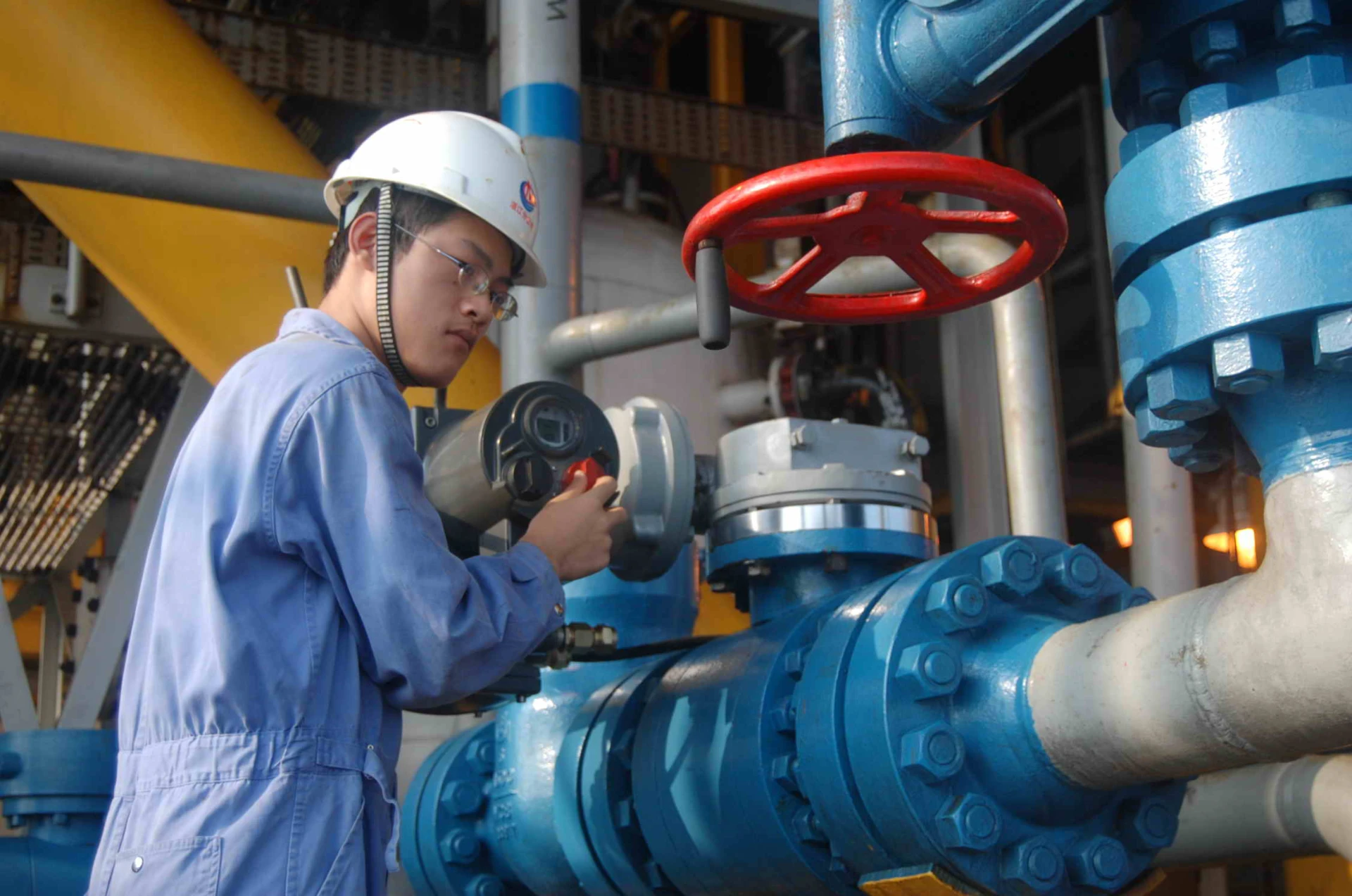
Welding Tables Available for Purchase at Competitive Prices
welding tables for sale .
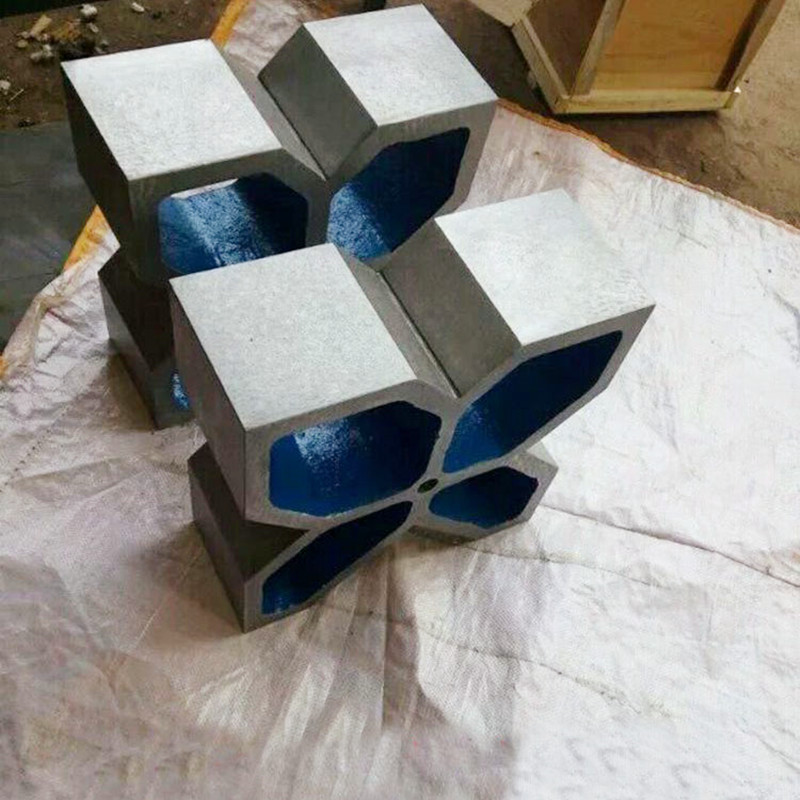
Versatile 4x8 Welding Table for Precision Fabrication and Project Efficiency
The Versatility of a 4x8 Welding Table When it comes to metalworking and fabrication, having the rig
Welding Workbench vs. Standard Workbench_ Key Differences
When it comes to workshop equipment, the choice between a welding workbench and a standard workbench
 English